What's the actual cost of checking the "Economy" box instead of "Compact" when two teenagers, a cooler, and four days of gear are riding along on a family road trip? I don't have a clean dollar figure for you — rental math never holds still that long — but the airport counter has a way of answering the question whether you're ready for it or not, and it's worth sorting out before you're standing in a parking garage doing math with a tape measure you don't own.
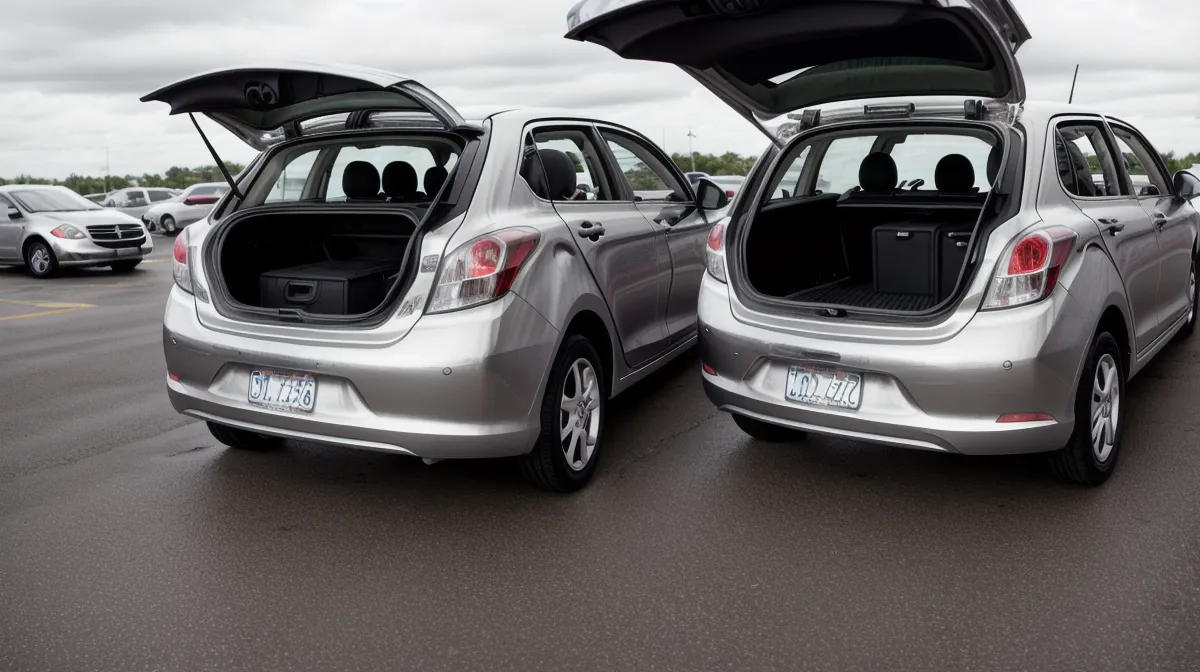
We'd booked a Compact for the run out to Bryce Canyon, with a gas-station stop planned near the park entrance station for the last fill-up before the scenery got good. What showed up on the lot was cloth seats instead of the trim pictured in the booking app, and a fuel needle sitting a hair short of the line the paperwork claimed. The trunk lid needed two shoves to latch — the first attempt bounced back with a dull thump, like it hadn't committed to closing — so I ended up leaning a knee into it while my son held the cooler and gave me the look that meant he was already drafting the group-chat caption. Checking the car against the paperwork before you leave the lot isn't optional with a family in tow. It's the ten minutes that keeps day one of a road trip from starting sideways. Bryce was the only stop on this particular run, one leg of the Utah Mighty 5 loop we're slowly working through a park at a time.
The old plan was simpler than it should've been: book whatever Hertz Gold had open, skip the counter line, done — even on trips where the rate was plainly higher than what showed up elsewhere for the same dates. That loyalty habit never bought the family anything. Status doesn't turn a subcompact into a Compact, and skipping the line matters less when you're the one hauling a cooler across the garage regardless of which counter you walked past. These days I run the category and the price against what my Discover Cars review for domestic travel across the Southwest covers before locking anything in for a family week. The direct-versus-aggregator math is its own rabbit hole I won't rehash here.
The Real Difference Between Economy and Compact Shows Up in the Trunk
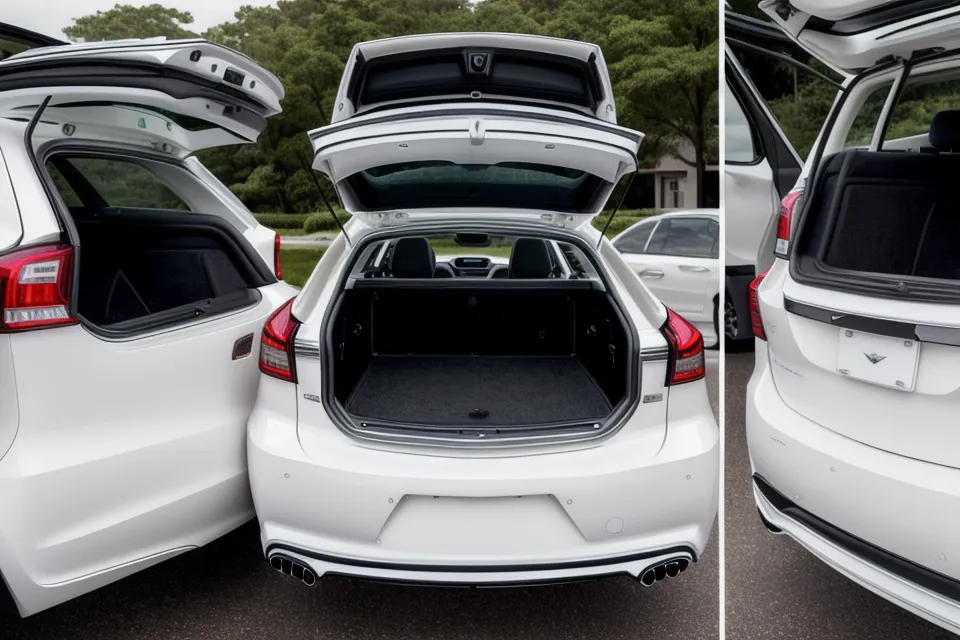
Forget the sticker for a second. An Economy trunk and a Compact trunk aren't the same shape, and shape matters more than the category name once you're loading a cooler next to two duffel bags and a backpack that won't zip. There's an actual EPA-set definition behind why one category swallows the cooler and the other turns it into a puzzle, though the fine print reads drier than the drive itself. I keep my 14-booking rental log tracking which categories actually deliver the cargo room they promise, and it backs this up more than my memory does on its own.
None of that guarantees the car on the lot matches the label, either. The reservation system runs on a four-letter code — ACRISS, if you want the technical name — that decides more about what shows up than the category name suggests, and untangling that gap is a longer conversation than this one. What I can tell you is the difference between a Compact with a flat trunk floor and an Economy with a hump over the fuel tank is the difference between the cooler fitting flush and the cooler riding sideways on top of a duffel bag for four straight days.
My wife rode as second driver on this trip, and whether that fee is worth comparing across vendors before you book is its own line-item question I keep meaning to track properly. Spring break plans shift more than a work calendar does, too, so I booked a rate this time that let us cancel without penalty if the kids' school schedule moved on us. It nearly did.
The Counter Upsell Every Family Hears at Least Once
Somewhere between the paperwork and the keys, an agent is going to mention insurance, and it's rarely a quick mention. By the time the pitch wound down on this trip, I'd said no three separate times, and we were still walking out to the lot inside four minutes — which told me more about how the script works than anything the agent actually said. It felt like the printer salesman who waits until you're reaching for the pen to bring up the extended warranty. Kids in the backseat don't care about coverage tiers. They care about whether the AC reaches the third row before the parking garage turns into an oven.
We stuck with the on-airport counter this time. Off-airport lots can shave a little off the rate, but you pay it back in shuttle time once you've got a car full of gear waiting on you, and that trade-off deserves a longer look than I can give it here.
So Which One Actually Wins the Climb Toward Bryce?
Here's the part that surprises people: a lighter Economy car can out-drive a heavier Compact on a grade. Plenty of Compact models are just a heavier frame wrapped around the same underpowered engine as the Economy trim, and a heavier frame hunting for gears on a climb feels worse than a light one that isn't hunting at all. A neighbor of mine trains for Ragnar Relay trail races down in southern Utah every year, and listening to him talk about pacing on a steep grade is the closest comparison I've got. The lighter setup that isn't fighting its own weight wins more often than the bigger one people assume should win.
On a solo loop with no gear and no passengers, I'll take the Economy every time. It's nimble, it's easy to park in a tight downtown garage, and it doesn't strain on the altitude change. But strap four people and a week of luggage to that same lighter frame and the advantage disappears fast. The Compact earns its keep the moment there's real weight in the car.
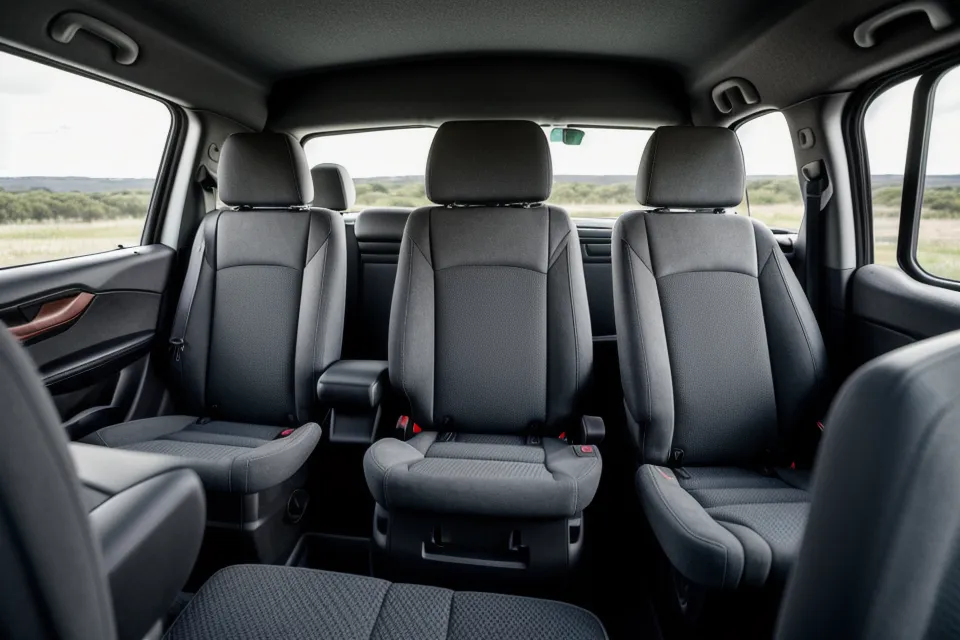
There's also the matter of who's doing the five-hour shift behind the wheel. Most Economy and Compact trims skip adjustable lumbar support entirely, but the Compact's slightly larger cabin usually leaves a little more range of motion in the seat. That difference shows up in your lower back around hour three, not at the rental counter.
Packing for Four Seasons in One Car
A week near Bryce means packing for temperature swings that don't care what the calendar says — heavy coats for the morning cold at the rim, lighter layers for the afternoon sun. That's more gear than a quick weekend trip needs, and an Economy trunk turns every morning of the vacation into luggage Tetris before anyone's had coffee. It's a rough way to start a day that's supposed to be a vacation.
There's a longer list of line items I'm skipping here on purpose: whether a walk-up rate a week out beats booking a month ahead, whether a seven-day rental actually prices better per day than two stacked weekend rentals, whether a debit card hold works the same as a credit card's at the counter, what a one-way drop fee runs if you don't loop back to the same airport, and whether third-party coverage beats the counter's own pitch. None of that changes the Economy-versus-Compact call for a week with kids in the car, so I'll leave those for another notebook page.
The Trade-Off I'd Make for a Family Week
Look, I'm a sales rep, not a travel writer. I've already made the case elsewhere for skipping the jump from difference between premium and luxury car rentals — it's mostly nicer leather for a bigger bill, and most of us don't need it. The Economy-versus-Compact call is different. That one actually changes the shape of the trip.
On my own Tuesday-to-Friday loops I lean Economy without thinking twice. It's roughly a tank of gas cheaper, I don't need the room, and I've made the fuller case for that kind of solo booking in best aggregator for frequent business travelers. But for the family trip, Compact is the floor, not the upgrade. It buys the trunk depth for the cooler, the legroom that keeps two teenagers from declaring war over an armrest, and just enough extra cabin air to not feel stale ten minutes past the airport.
Skip the Full-Size SUV the counter agent will float unless you're actually going off-road — that's just a bigger tank to fill for space you won't use. Book the Compact, check the trunk before you sign anything, and put the savings toward a better dinner once you're through the gate. Your back, and your kids, will thank you somewhere past the switchbacks.