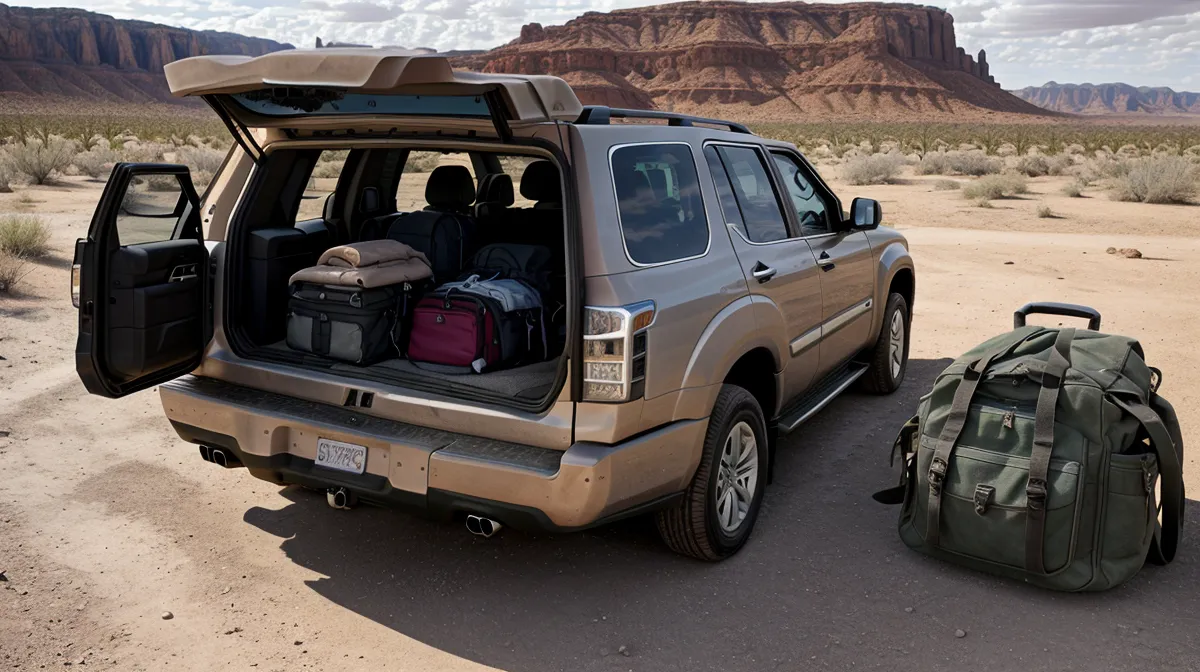
Four blackout dates. That's what the "guaranteed upgrade" email from a major rental brand left out before I clicked through it on my way to a Phoenix sales trip. I found out standing at the Terminal 4 arrivals curb next to a compact sedan that wasn't going anywhere near an SUV — "guaranteed" had an asterisk buried three screens into the fine print. That trip is the reason I stopped trusting a headline rental car offer before checking it against what a Utah national parks road trip, or a plain family travel budget, can actually absorb.
Quick disclosure before any of that: the rental car aggregators and agencies I link to below pay me a commission if you book through them, at no extra cost to you. That's what funds the running list of rates I keep on brands across PHX, LAS, DEN, and SLC. None of that changes what I'll tell you about a counter agent trying to upsell you — commission or not.
What 'Guaranteed' Actually Means in a Rental Confirmation Email
My neighbor Lindsey, two doors down from us in Cottonwood Heights, is the one who actually reads paragraph three of a confirmation email instead of skimming it the way I do. She pointed out afterward that the blackout dates on that "guaranteed upgrade" were sitting right there the whole time, in language dense enough that I'd scrolled past it twice. Since then I run the aggregator's total against what the brand's own site quotes before committing to anything, and Discover Cars lets you cancel free up to a couple of days out on most bookings, so for a trip with real schedule risk I'll hold a reservation there and only lock it in once my calendar settles.
About eight weeks into keeping my own running list of bookings, the total on a Hertz Gold kiosk screen in Vegas matched what I'd screenshotted from the aggregator the night before — same total, fees included. That's around when I started treating the aggregator number as the real number instead of a teaser, and it's held up on a good chunk of the PHX and DEN trips since. I broke down how that math shakes out on a recent Denver run in my notes on Denver Airport Car Rental Rates: Aggregators vs. Direct (2026 Update), if you want the longer version.
Why a Compact Rental Doesn't Survive a Utah National Parks Loop
Cargo space is where the trouble actually starts. A compact that looks fine for a solo laptop-bag hop to Phoenix turns into a jigsaw puzzle once you add a cooler, four duffel bags, and camera gear for a week across Zion, Bryce, Capitol Reef, Arches, and Canyonlands. We ended up wedging the cooler between our two kids in the backseat on the drive down, which is a great way to start a long day if you enjoy refereeing an argument about elbow room. The climb toward the higher parks doesn't help either. That little engine ran out of breath well before the summit, and I spent most of the ascent watching the temperature needle instead of the scenery.

Discover Cars is where I look first for these family trips too. On roughly two-thirds of my PHX and DEN bookings since 2023, their headline rate beat walking up to Avis or Hertz direct on the same dates, and they tend to surface SUV inventory from off-airport partners that the terminal counters claim is sold out. The trade-off is real, though — pickup sometimes routes through a partner lot that adds fifteen to twenty-five minutes of shuttle time, and I've lost that math more than once on a short trip where the shuttle ate the entire discount.
The SUV listing that got us excited had the cargo space folded flat in the photo. What showed up at the counter for the actual pickup was two trims down, with none of that room, and a fuel gauge marked a notch under what the paperwork claimed. Walk the car before you sign for it now — I check the trim badge and the fuel needle against the sheet every time, because nobody at the counter volunteers the difference.
The Counter Pitch You Hear No Matter What You Booked
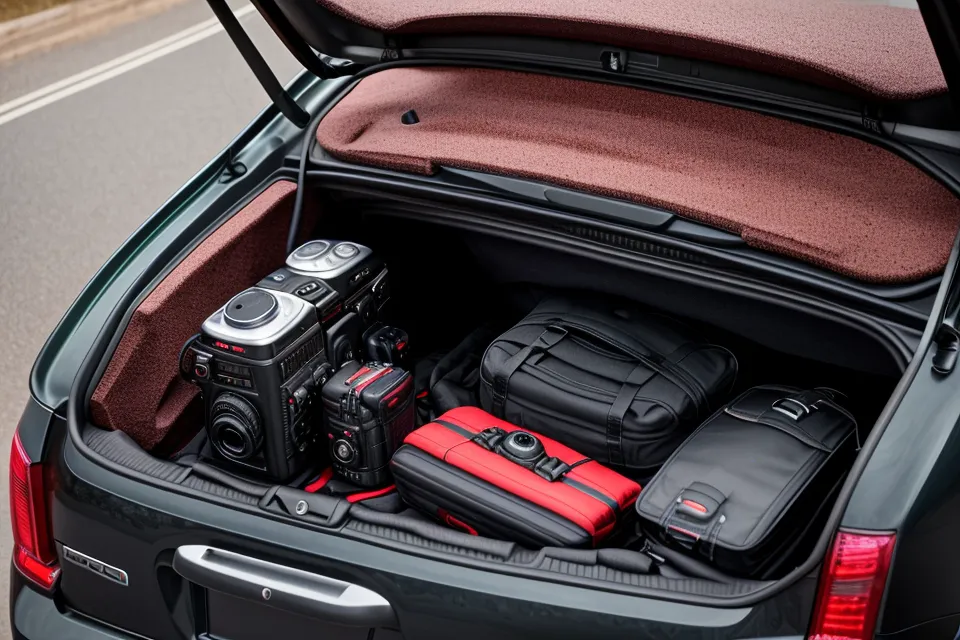
Look, the counter agent's insurance pitch is the same energy as a printer salesman circling back to the extended warranty right as you're signing. It shows up no matter which aggregator got you to that desk, and no matter how many times you say no. I carry a third-party rental policy through my credit card instead of buying the counter's collision waiver, which means the pitch is a formality I can wave off instead of a decision I have to make cold.
Utah's canyon roads are why I add my wife as a second driver at the counter every time we do this loop, even though that fee stings a little on top of everything else — long descents through switchbacks are easier split two ways than white-knuckled solo.
A reader named Gil Yamaguchi, an IT consultant out of Scottsdale, emailed me after finding my Phoenix piece and asked whether paying with a debit card at pickup would tie up his account before a work trip. It will — the hold on a debit card runs bigger and clears slower than a credit card hold, and I've told him and a few others since to keep the debit card in the wallet at the rental counter no matter which brand or aggregator got them there.
Off-Airport Savings Come With a Shuttle Attached
For a trip with an early flight out — 6:15 in the morning and zero patience for a shuttle ride — AirportRentalCars is usually where I look, since it filters specifically for on-airport pickup and has turned up Sixt and Fox rates that beat the big three on the same SLC and PHX dates. That convenience runs ten to eighteen percent above Discover Cars on average, which is a fair trade when the alternative is a shuttle ride you can't afford time-wise.
If you're hauling more than clothes and toiletries, my breakdown on the Best Site to Compare Cheap Car Rentals for Southwest Regional Trips gets into which sites actually show you a crossover instead of a compact when you search Southern Utah dates. An intermediate crossover is the floor for this loop, not the ceiling — you need the height for the washboard gravel near some trailheads, and a trunk that closes off from the cabin so your gear isn't sitting in the open every time you pop the hatch.
When the spring break rush hits and Discover Cars and AirportRentalCars both show mid-size SUVs as sold out, Trip.com has pulled a working booking out of an off-airport vendor the other two had already given up on. That's what happened on a DEN weekend when I was sure we'd be stuck in two compacts instead of one SUV. Just budget for the possibility of an Uber to a lot in the middle of nowhere if the shuttle isn't running; that happened to me once after a late PHX arrival turned into an unplanned trip out to Tempe.
We don't do one-way on this loop — SLC out, SLC back — but I priced a one-way drop for a work trip once and the fee alone would have wiped out whatever the aggregator saved me. A five-day national parks loop does price out cheaper per day than a two-day sales hop, at least, which is about the only place the math tilts in a family's favor instead of a solo traveler's.
What I'd Book Differently Next Spring
None of this means skip the aggregator and pay the brand's rack rate out of spite. Discover Cars still beats booking direct often enough that I check it first, every time, whether it's a Tuesday sales hop or the annual Utah week. But the lesson from the blackout-date email and the SUV that showed up two trims short is the same lesson every time: pick the vehicle class you actually need before you get to the counter, not after, because the upsell conversation only ever runs one direction once you're standing there. Size the car for five parks and a full trunk, not for a solo laptop bag, and check Discover Cars against the brand's own site before you commit to either one.