A fuel gauge on a rental car agreement is just a printed circle with eight tick marks, and the line on mine sat one notch short of full before I'd even picked up the pen. I was standing at the arrivals level of DFW's Terminal D on a regional business trip, the kind of airport logistics detail nobody puts in a car rental ad.
Quick disclosure: some of the links below are affiliate links, and if you book through them I get a small cut at no extra cost to you. I've put my own card down with every platform mentioned here, on real sales trips and one loud family road trip.
The Business-Trip Assumption About Car Rental Aggregators
Running bookings across the Mountain West and Southwest myself, instead of letting a corporate travel desk handle it, taught me one common assumption doesn't hold up: that whichever number sits lowest on the results page is automatically the right one to book. Sometimes it is. But other times it's the reason you're standing in a shuttle line while everyone else from the trip already made it to dinner.

None of that is really about which brand you love most. Most of it gets sorted at a desk in the corner of the house anyway. Printed confirmations stack next to the keyboard with margin notes only I can read anymore, a carry-on bag still leaning against the closet door from the last trip because unpacking felt optional. Matching the platform to the trip starts there, before you ever get near a counter.
What a 'Compact' Actually Means Depends on Who's Renting It to You
Take the word 'compact.' On a spring break loop through Utah's Mighty 5 national parks with two teenagers, a cooler, and enough gear for four days at elevation, a 'compact' from one brand fits a backpack and nothing else, while the same word from a different brand gets you something closer to what used to just be called a sedan. That gap between the label and the actual trunk is a bigger topic than fits here. The short version: check the dimensions, not the class name, before you assume two 'compacts' are the same car.
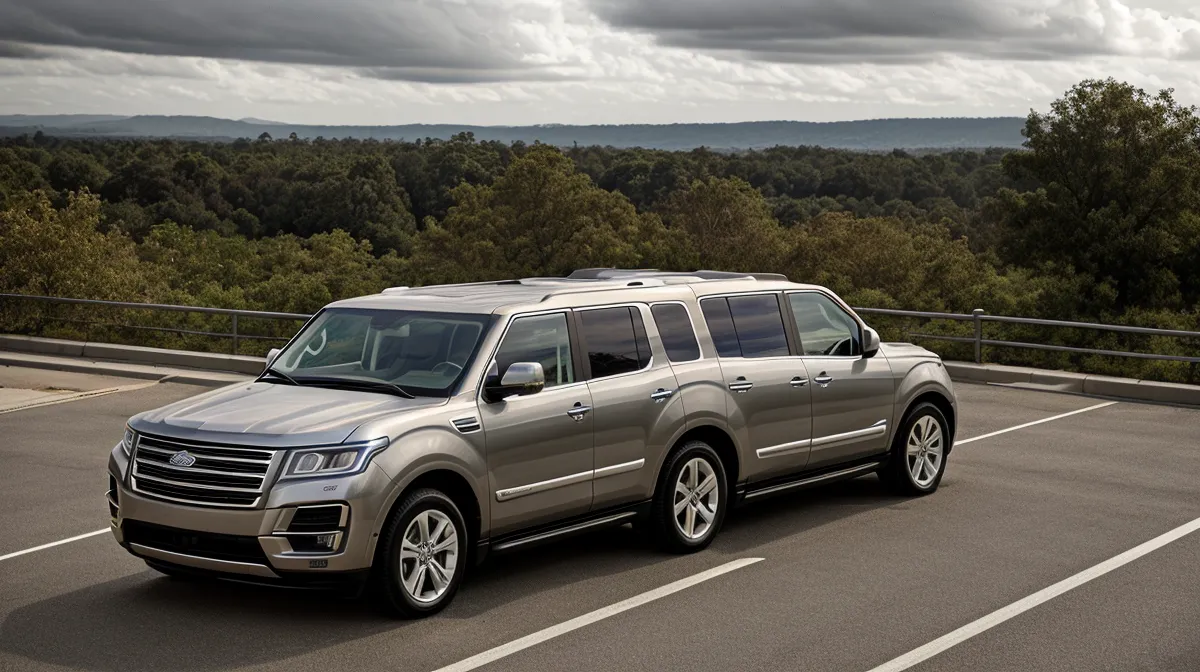
We booked a mid-size SUV through Discover Cars for that trip because I wanted the seating capacity of 5 confirmed before we left, not guessed at from a stock photo, and it earned its keep hauling hiking boots and extra layers toward Zion National Park, where the 35-dollar private vehicle entrance fee felt like the smallest expense of the day. My wife was listed as the second driver on that reservation, which is its own small tax most people forget to check for until they're quoted an extra fee at the counter they didn't plan around. For the fuller comparison between what actually shows up for a family trip versus a solo sales run, I broke it down in Spring Break Road Trips and the Rental Inventory Gap.
Does Cheaper Off-Airport Ever Actually Win?
Off-airport rates look tempting on paper, and sometimes they're worth it. I've covered when that math actually works out elsewhere, but the short version from my own bookings is that the shuttle line is where the discount quietly disappears if your evening has anywhere else to be.
At SLC, most of the major brands sit right off the parking garage, an easy walk from baggage claim to the car. When I've got a 6:15 AM boarding pass and nobody else in line, I'm not chasing an off-site discount at that hour. I'd rather be asleep fifteen minutes longer. That's when I pull up AirportRentalCars specifically, since it filters for pickup counters that sit inside the terminal footprint instead of a shuttle ride away.

Reading Past the Headline Number Before You Sign
The best-looking rate on any of these sites is almost always a prepaid, non-refundable one, and that's a fine deal for a family trip planned six months out. But for a sales rep whose Friday return keeps sliding because a client meeting ran long, it's a trap. I clicked a 'guaranteed upgrade' promo email from a major brand once without reading the blackout dates attached to it. At the counter I found my actual travel week fell inside the blackout. Nothing to do but laugh and pay the standard rate anyway. Lindsey, my neighbor a couple doors down, is the one who reads anything with fine print before I hit confirm now; she caught a similar clause in a printout I'd left on the porch rail without me even asking her to look.
I've since learned to prioritize whichever aggregator makes its cancellation terms easy to find instead of buried three clicks deep. On my Discover Cars review, I noted that most of my bookings there let me cancel a couple of days out with no argument, which is the only reason I still use an aggregator for anything with a schedule that isn't locked. The number on the search page was never the real number anyway. Factor in what a rigid cancellation policy costs you when plans shift, and the 'cheap' option stops looking so cheap.
Checking the Car Before You Leave the Lot
'Or similar' is the most powerful phrase in this whole industry. I once booked what the listing called a mid-size SUV for a Denver trip, expecting something with real ground clearance, and what showed up was a crossover with a trunk so shallow my garment bag had to lie flat across the back seat just to close the hatch. Now I walk the car before I leave the lot to check the trim badge, trunk depth, fuel needle, the works, instead of trusting that the printout matches whatever's parked in the stall. If you're heading somewhere remote enough that a wrong car actually matters, I've written separately about whether roadside assistance is worth it for those stretches.
The Insurance Pitch, the Fuel Choice, and Other Counter Scripts
The insurance pitch at the counter runs the same script everywhere, and I've already written down exactly how I handle it in The 'No Thanks' Script, so I won't retread it here. Third-party coverage bought outside the counter is a real alternative to the in-house collision waiver, separate from whatever your credit card already covers, though that's a bigger comparison than fits in one notebook entry. Fuel is a similar small decision. Prepaying for a full tank sounds simpler, but it only pencils out in specific situations, so I treat it case by case instead of defaulting either way. A reader named Gil, an IT consultant out of Scottsdale, once emailed me a sharp question about whether a debit card would even clear the counter without a hold big enough to dent his trip budget, and that's a bigger topic than I can do justice to here.

Where Trip.com Actually Wins
Trip.com isn't usually my cheapest quote for a routine SLC run, but it's earned a permanent spot in my rotation for one reason: inventory. On a weekend when a big convention had sold out mid-size SUVs everywhere else I checked, Trip.com pulled a working reservation from a smaller vendor none of the other sites were even showing, and that last-minute save is worth more to me some weeks than a lower number would have been. It's also the one I reach for on family trips, since bundling the car with the hotel keeps everything in one confirmation email instead of three.
The Real Rule for Picking a Platform
So the myth isn't that aggregators are useless, or that a direct booking is always overpriced. It's that there's one right answer at all. A brand's loyalty program is worth something, but I stopped assuming a status number beats an aggregator's rate without actually comparing the two side by side first. A rental stretching past a week usually has its own pricing break built in that a quick weekend booking never sees, so what wins for a four-day sales trip can lose for a ten-day one. One-way drops carry their own separate fee structure too. I've only had to think about that a handful of times, but it's worth checking before you assume a one-way rental prices out anything like a round trip. My rule now is boring: start with Discover Cars for the price comparison, but don't stop reading once you see the total. Check the pickup location, the cancellation terms, and whether the car class means what you think it means before you commit.
None of this makes car rental complicated, whatever the ads want you to believe. It just means the lowest number on the screen is a starting point, not the answer. I'm still the guy who checks a fuel line against a printed circle before signing anything, and that one habit has saved me more than any single platform ever has.