The guy at the next counter is still signing paperwork for the same mid-size sedan I picked up ten minutes ago, and he's paying noticeably more for it, because his company's booking tool grabbed the first option it found instead of comparing rental car deals across the board. That gap is basically the whole argument I've been making to anyone on a Mountain West sales route who'll listen: checking more than one source before a business trip is money-saving, not a hobby.
Quick disclosure before anything else: a couple of the rental sites named below pay me a commission when a link turns into a booking. The price at checkout doesn't move because of that, and if a shuttle wastes forty minutes of my day, I'll say so regardless of who's paying me.
The Direct-Booking Myth That Costs Business Travelers Money
Here's the myth I used to believe without questioning it: book directly with the rental brand, or let the company portal handle it, and you're getting the real price -- no markup, no middleman standing between you and the fleet. It's backwards more often than it's right, and the gap between those two outcomes is what this whole spreadsheet habit was built to track.
For years, I never thought about which site to use because the company handled it -- the travel portal auto-booked whichever vendor sat at the top of its list, every trip, without me ever seeing what else was out there. A policy change eventually forced me to book my own travel, and I still remember standing on the jet bridge at PHX, watching the quote drop again on my phone before I'd even reached the gate. The price moving while I was still walking toward it made the whole arrangement I'd trusted for years look ridiculous.
My buddy Scott still books on gut instinct -- he's a rep on the same sales team, works the Denver region now after transferring over from the Pacific Northwest -- and he still texts me the receipt afterward to complain about it. He's sharp about plenty of things. Comparison shopping a rental car isn't one of them, and he pays for that instinct more often than he'd like to admit.
Aggregator Pricing, Explained in Plain Terms
Aggregators don't invent a secret discount. They pull the same base rates the brands load into their own inventory systems, then add a service fee on top of that. On paper, that should make them more expensive, not less. The reason it usually goes the other way is inventory. A big brand's own site mostly shows its own fleet at its own counter rate. An aggregator also surfaces local, off-airport partners who need to move cars and price accordingly. Layer the fee on top of that lower base and it still usually beats what the brand quotes on its own site. Usually. Not always -- and that distinction is worth more than most of what gets written about this stuff.
Take the DEN route, which I fly more than I'd like some months. I still occasionally check the site for Denver International Airport itself out of habit, but the pattern holds trip after trip. Discover Cars keeps turning up local partners the brand's own site never lists, and the aggregator side has beaten the direct quote on roughly two-thirds of the bookings I've tracked since I started paying attention. That's not a guarantee. It's just the way the odds run.

Half of this tracking happens nowhere near an airport. It happens at a corner desk in the house in Cottonwood Heights, second monitor propped next to the laptop, a stack of printed confirmations with my own margin notes wedged next to the keyboard, the carry-on still leaning against the closet door because I never quite unpack it all the way. The Post-its along the edge of the monitor aren't decoration -- they're the going rate at each airport code I fly into, updated by hand whenever a number moves enough to matter. It's why My Discover Cars review for domestic travel across the Southwest holds up the way it does. It's not a one-time impression. It's three years of that same stack of notes talking.
The Time Direct Actually Won
Not always, though, and I found that out the expensive way on a trip I'd stopped double-checking. I'd gotten comfortable enough with the aggregator winning that I quit bothering to pull up the brand's own site before booking -- figured the odds were the odds, why waste the extra tab. On that trip the brand was sitting on cars it needed gone, some slow week where demand hadn't caught up with what was parked on the lot, and their own site had quietly dropped below what the aggregator was quoting with its fee baked in. I didn't notice until I mentioned the total to a colleague who'd booked the same class direct that week for less. Lesson stuck: the aggregator is the better bet most weeks, but it's not a bet you get to stop checking. A live tab open to the brand's own site costs nothing, and it occasionally saves you from your own routine.
What Goes Wrong Between the Booking Screen and the Rental Lot?
When a flight leaves stupidly early out of DEN and the car's due back before sunrise, none of that off-airport math matters to me anymore. That's when I go straight to AirportRentalCars, because their filters actually let you narrow to on-airport pickup only, and at that hour I'll pay the ten to eighteen percent premium their listings usually run over Discover Cars rather than wait on a shuttle in the dark. It's the off-airport trade-off in its cleanest form: a lower headline number against however many minutes you're willing to stand on a curb for it. The same site earns its keep on short-notice regional trips too, since last-minute inventory dries up fast, and whichever aggregator casts the widest net is the one that still has a car left two days out.
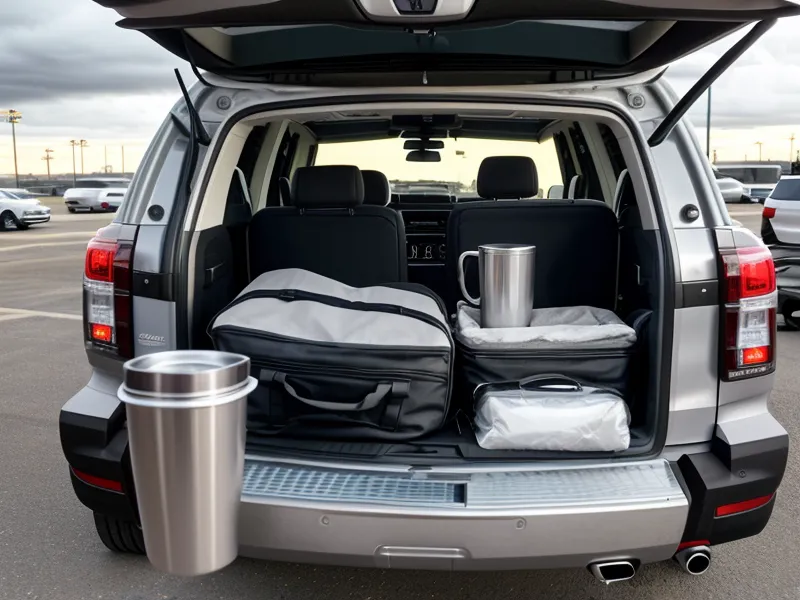
Family trips expose a different gap -- the one between what a brand calls a class online and what's actually sitting in the row when you get there. We booked a full-size SUV for the spring loop through the parks, the kind of trip where two teenagers, coolers, and a week of hiking gear all have to fit somewhere. What showed up at the lot was a mid-size crossover with a trunk about two sizes too small for the plan. No full-size left on the lot, the agent said, take it or wait. We took it, and spent the next twenty minutes playing luggage Tetris in the parking lot instead of getting on the road. My wife rode as the second driver that whole trip too, which meant an additional-driver line on top of everything else -- worth checking before you assume the quoted number is the final number. I still run the comparison through How to find best airport car rental deals in Salt Lake City before that trip now, but I've stopped assuming the class listed online is the class waiting for me.
Phoenix taught me the other half of that lesson, the shuttle half. I'd booked off-airport to save on a trip that already had a tight turnaround before a client meeting, and the courtesy shuttle ran one loop behind schedule, then two -- the kind of wait where the asphalt out past the rental corral gets hot enough that you can smell the tires baking off every car parked on it. I missed the first ten minutes of that meeting standing at the curb, watching the shuttle sign refuse to change. That's the trip that got me to a hard rule: if the wait at an off-airport lot tends to run long, I pay the difference for on-airport and keep the buffer instead. You can read more on that trade-off in Best way to find cheap car rentals at Phoenix Airport, but the short version is that a few extra minutes of buffer are worth more to me most weeks than whatever the off-airport rate saved.
Reading the Counter Agent Correctly
The counter pitch is pressure dressed up as a favor, every time, no matter which brand's desk you're standing at. They'll glance at your voucher and mention that it doesn't cover something you probably weren't worried about until they said it. I usually wave it off and lean on my credit card's rental coverage instead -- except the one trip where that decision actually cost me. A parking-lot fender-bender that wasn't even really my fault turned into weeks of claims paperwork with the card company, phone trees, a loaner in my own name while the whole thing sorted itself out. The counter's simpler waiver would have closed the whole mess out on the spot. I still don't know for certain I made the wrong call, but I understand why some reps run their own third-party coverage instead of leaning on a card or the counter. I just haven't run those numbers myself yet.
A reader named Clarice, a pharmaceutical sales coordinator working the Phoenix corridor, emails me her own counter-rate numbers often enough that I half consider her an unpaid research partner at this point. She keeps a screenshot of every confirmation she's ever booked, which sounds obsessive until the one time a counter tries to charge more than the voucher shows and you actually have proof in your camera roll. I've started doing the same, mostly because arguing a price without a screenshot is a losing argument.
Other habits go with that instinct. Pay with a credit card, not a debit card, since some counters will put a hold against a debit account that ties up real cash for days rather than just authorizing a credit line. Walk the car yourself before you drive off -- trim badge, fuel gauge, a photo of any existing scuff -- because a dispute after the fact never goes your way. I keep a fully-refundable rate held on anything more than a few weeks out too, which matters when a client reschedules and the whole trip shifts. Discover Cars in particular has let me cancel free up to a couple of days out on every booking I've tried it on, refund back in about four days. Book by the week instead of stacking daily rates on a longer trip, since the math bends in your favor past a certain point. And if a trip has me flying into one airport and driving out through another for a client swing, the one-way drop fee alone can erase whatever the aggregator saved, so that gets checked before anything else does.
So, Which Site Should You Actually Book With?
Every so often none of the usual options have anything left -- that happened during a packed convention weekend in Vegas when the mainstream aggregators and the brands were both showing sold out for anything above a compact. Trip.com pulled a working booking from an off-airport vendor the others hadn't listed. It's not my first stop most weeks, since their US car inventory is thinner outside the big hubs, but as a backup when everything else is tapped out, it's earned a permanent spot in the rotation.
So here's where all this tracking actually lands, myth corrected: start with an aggregator, not the brand's own site, because Discover Cars wins the price comparison on most Mountain West and Southwest routes I fly, thanks to that wider net of off-airport partners the brands don't bother listing themselves. Switch to on-airport-only filtering when the flight time makes a shuttle a bad trade. Check the brand direct anyway on any trip where inventory looks tight or the dates are close-in, because that's exactly when a brand clearing cars can beat the aggregator's fee-loaded price. None of that requires a spreadsheet as detailed as mine. It just requires not clicking the first link your travel portal hands you and calling it done.