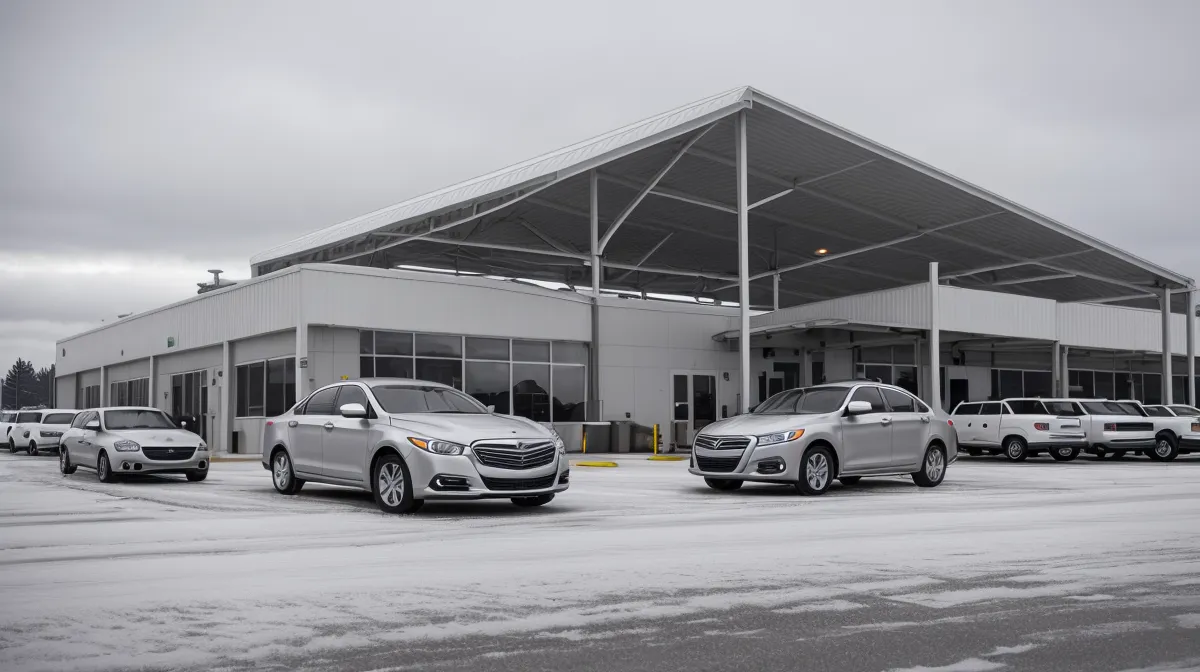
Most people would gladly pay to skip twenty minutes standing at a shuttle stop with a busted heater—and that's the real question buried under every "cheapest car rental" search for Denver airport in the winter months, and most comparison tools never ask it. Airport rental cars in the Mountain West aren't priced like the ones in Phoenix or Vegas, and winter driving around DEN adds a wrinkle that a plain price sort won't catch. I've been self-booking every one of my sales trips for three years now, and Denver in a storm is the one leg of my rotation where the cheapest number on the screen and the smartest choice are almost never the same car.
Last time I landed at DEN, a client meeting had run forty minutes over the day before, and I got to the rental shuttle stop already irritated, phone out, aggregator tab open next to the direct-site confirmation, checking whether the number that looked cheaper an hour earlier still held once the AWD upgrade and taxes hit. It didn't, not by nothing, but not enough to feel smug about either.
What Denver's Traction Law Means for Winter Driving
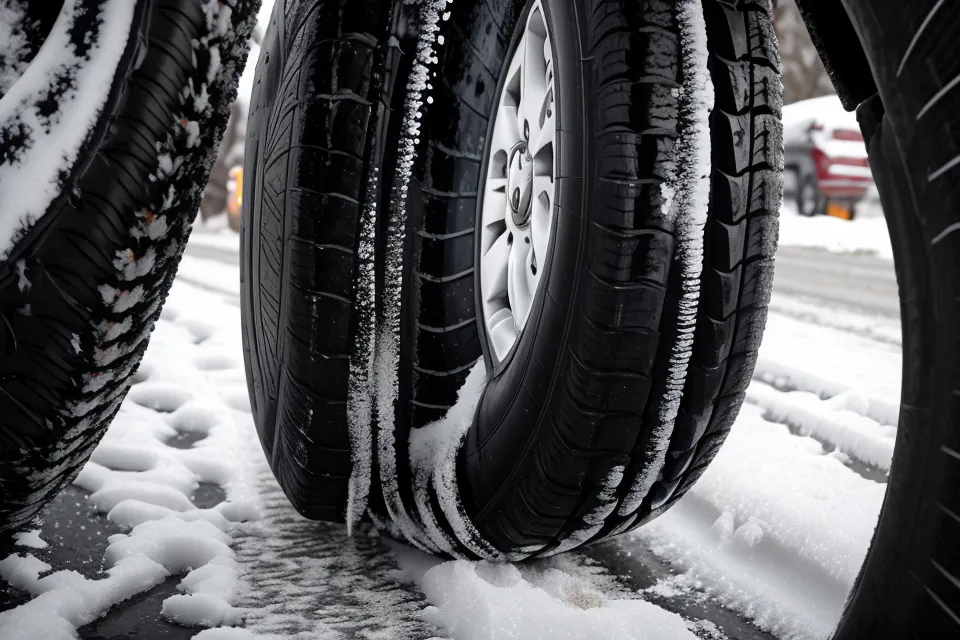
Colorado runs something called the Traction Law once mountain weather turns bad, and the short version is that certain tire and drivetrain standards kick in on I-70 and the roads that feed it. That part isn't decided by the rental company. It's enforced by the Colorado Department of Transportation, which matters because the discount fleet you booked online was priced for an average dry-pavement week, not for whatever's falling out of the sky the day you land. The car you saved money on can turn out to be the wrong car to legally drive, and that's a different problem than just being cold.

The practical fallout is that a "compact" booked online often defaults to whatever tires were cheapest for the fleet manager, not whatever the roads require once conditions turn. I've started treating the compact vs intermediate car rental difference for regional travel as a floor instead of a ceiling for any Denver trip between November and March. A compact that's fine in Phoenix can be the wrong call for I-70, and the extra few dollars a day for an intermediate is cheaper than any conversation with a tow truck driver.
Aggregator or Direct — Which Wins Once Snow Is in the Forecast
My running instinct favors the big search aggregators most weeks, because they surface a gap between two prices that's usually noticeable but not life-changing, enough to cover dinner, not enough to change how I fly. I laid out the fuller comparison in Denver Airport Car Rental Rates: Aggregators vs. Direct (2026 Update), and the short version for winter is that direct counters sometimes bundle a winter-ready upgrade into their own site that the aggregator's cached listing hasn't caught up to. That same trip, though, the aggregator actually won. The direct site's winter bundle priced higher once I ran the numbers, which isn't the story I expected to tell.
A running tally of aggregator quotes against direct-site quotes lives in a spreadsheet I don't love opening, and the fuller mechanics of that comparison are written up separately. Denver in December is the leg where the winner flips both directions often enough that checking both is worth the extra couple of minutes.
Why the Shuttle Line Gets Long Once It Snows
Every rental counter at DEN sits off the terminal, so there's no version of this where you skip the bus. You're waiting on an island in whatever the weather's doing, hoping the shuttle that says five minutes away actually means five minutes. I've watched the same math play out at Harry Reid's consolidated rental car center in Las Vegas, where the shuttle ride alone eats into any savings from picking the cheapest lot on the list. The lesson travels: the lot with the lowest number on the screen isn't automatically the lot with the lowest total cost of your afternoon. If your trip has you dropping the car somewhere other than where you picked it up, that's its own fee structure worth checking before you book, not after.
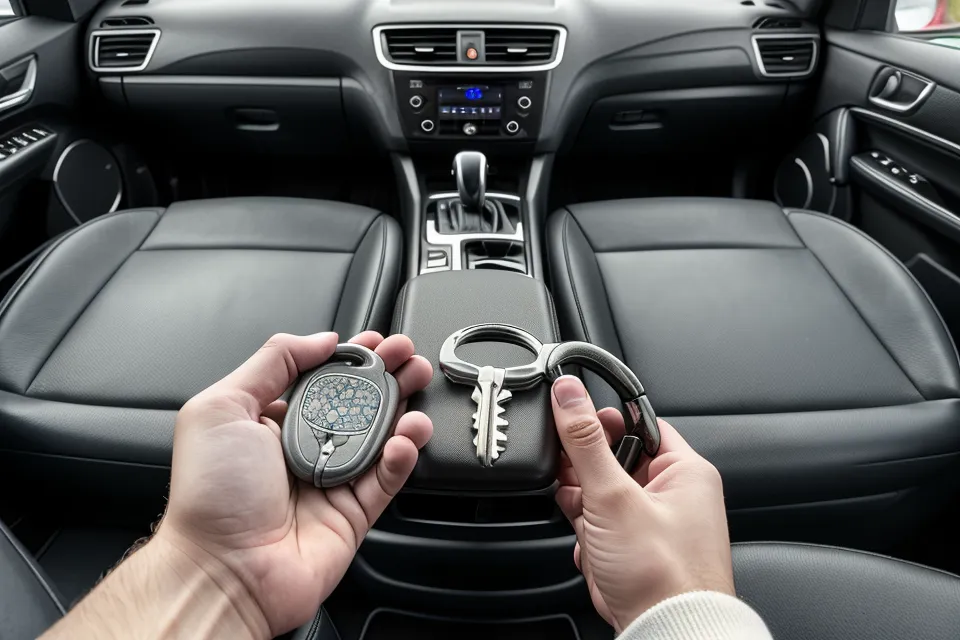
The car waiting for me that day wasn't the AWD compact SUV on my confirmation. It was a front-wheel-drive sedan, because that's what was left on the lot by the time I reached the front of a line backed up thanks to a storm nobody at the counter seemed to be tracking. Swapping it cost another twenty minutes and one conversation I didn't want to have, then loading gear into the replacement, the trunk lid never quite seating on the first push so I had to shove it twice before it latched, with a parka and a laptop bag eating into space meant for luggage.
The Fees Nobody Mentions Until You're at the Counter
Once you're standing there, the upsell script starts sounding like that printer salesman who waits until you're signing to bring up the extended warranty. My wife gets added to nearly every booking as a second driver, and some brands charge a per-day fee for that while others fold it in, worth checking before you assume either way. Free cancellation policies vary enough between sites that I treat them as a hedge against a client meeting getting moved, not a formality to skip past. A weekly rate can beat stacking daily rates even on a four- or five-day trip, so it's worth pricing both before locking into the shorter window.
Paying with a debit card instead of a credit card can trigger a bigger hold and extra ID checks at some counters, its own headache when you're racing to a meeting. And the agent will almost always offer the rental company's own collision coverage before mentioning that a third-party policy usually covers the same ground for less. I don't argue about it anymore. I just say no and let them move to the next screen.
Before You Drive Off the Lot
Before I leave any lot in winter, I do the same walk-around I'd do anywhere else, just extended a little further: checking the tread isn't bald, confirming there's an actual scraper somewhere in the car and not just a promise from the counter agent, and checking the wheel wells for damage that's easy to miss once everything's caked in road salt and slush. None of it takes more than a couple of minutes, and all of it is easier to sort out in the lot than three states later when you're explaining a scratch you didn't cause.
Ronnie Falco, a contractor out of Denver who bounces between job sites in Colorado and Utah, still swears by calling the counter directly and asking for their walk-up rate before booking online. He says it beats the online price about as often as it doesn't, which tracks with most of what's above. I still lean on why I use AirportRentalCars for last minute regional sales trips when a trip comes together with less notice than I'd like, but Denver in winter is the one leg of my rotation where I run every check twice instead of once. Look, the cheapest car at DEN was never the one with the lowest number on the confirmation email. It's the one that gets you off I-70 and into the meeting without a tow, a ticket, or a counter argument you didn't budget time for.