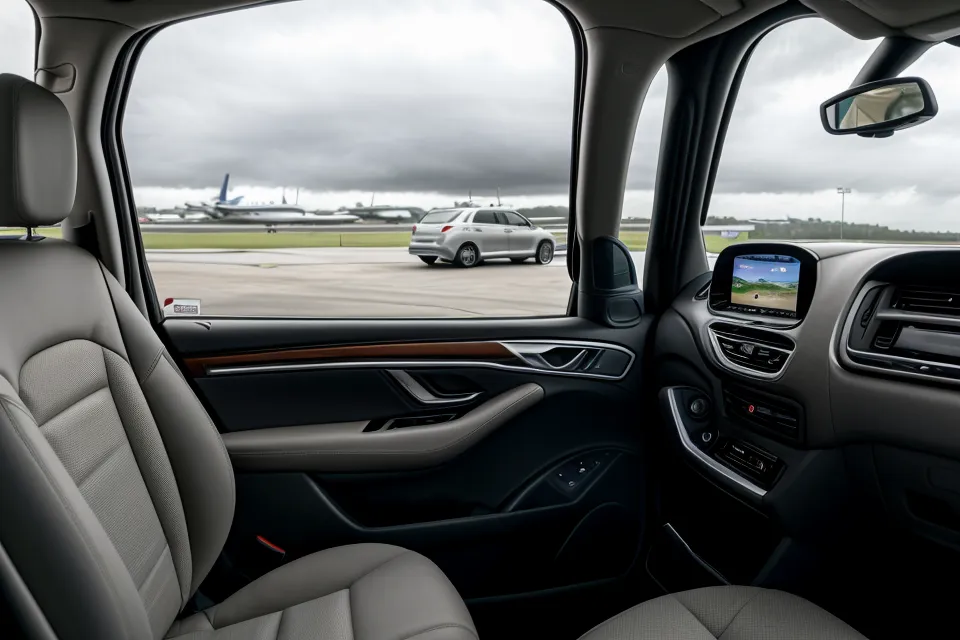
My confirmation number at the Denver rental facility on Peña Blvd was short, five digits instead of the usual jumble, short enough that I found myself reading it twice at baggage claim before the shuttle even showed up. That's the kind of detail a corporate travel desk used to handle for me. Since I started self-booking and self-expensing every rental car decision on my own sales trips, that habit of double-checking has become half the job.
Self-expensing changes how you read a counter screen. Every add-on becomes a line item you'll have to defend on an expense report, and the insurance upsell is the biggest one on the list. This is a breakdown of how third-party rental car insurance actually works as an alternative to what the counter agent is selling, when it's worth buying for a solo sales loop, and where it can bite you if you're not paying attention.
What Your Credit Card Actually Covers
Most travel credit cards market their rental coverage like it's a complete answer, and most of us treat it that way until the first real question comes up. The distinction that matters is whether the card's protection is primary or secondary. Secondary means your personal auto insurance policy has to respond first. You file the claim and take the rate hit before the card benefit even engages. A Collision Damage Waiver (CDW) sold at the counter isn't the same product either; it waives the rental company's right to bill you for damage, full stop, while a card benefit reimburses you after the fact under whatever the card's standard terms happen to say.
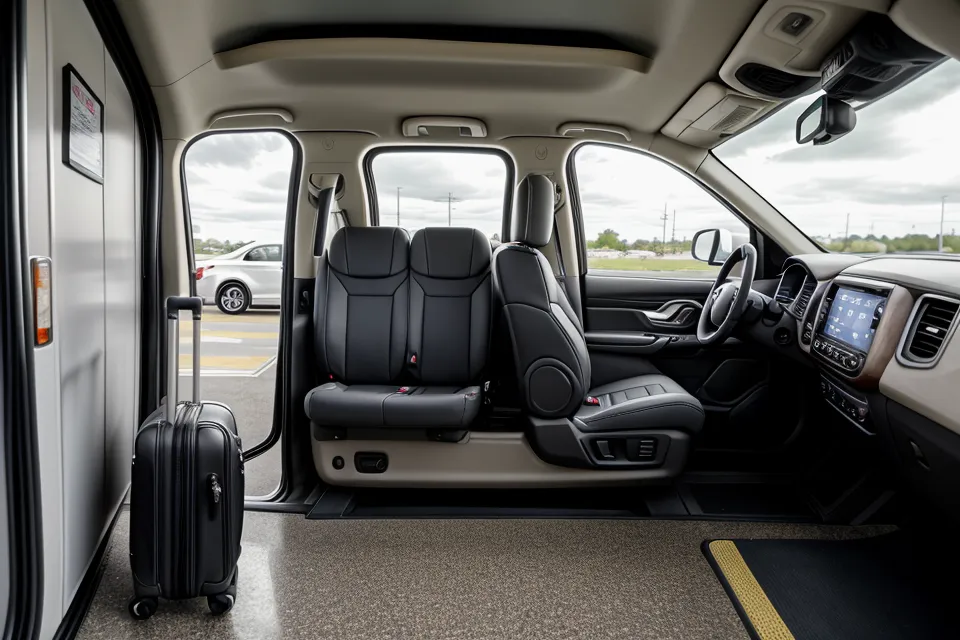
That secondary-versus-primary gap is exactly where a standalone third-party policy earns a spot in the conversation. A dedicated third-party rental policy is built to act as primary coverage on its own, so a fender scrape in a parking structure doesn't touch your personal auto premiums at all. It also tends to name the fees a card's fine print skips past: Loss of Use, which is what the rental company bills you for the days the car sits in a shop instead of earning revenue, and Diminution of Value, the claim that the car is worth less now even after it's repaired. Card coverage handles those inconsistently. Not always on purpose — the language is just vague. A third-party policy built specifically for renters usually spells out whether those two fees are included before you buy it, which is the whole point of reading the fine print instead of skimming it at the counter.
The Reimbursement Catch Nobody Mentions
Here's the part that catches self-expensing reps off guard. Buy the counter's own waiver and a dent just gets absorbed. You hand back the keys and walk away. Buy a third-party policy instead, and the rental company will typically charge your card for the damage the moment you return the car, in full, before any claim gets filed anywhere. You're then the one submitting paperwork to your third-party insurer and waiting for a reimbursement to land, which turns a fender bender into a temporary hole in your own cash flow and, if you're self-expensing, a line item your manager is going to ask about before the money comes back.
I've seen this trip up other reps I know. The damage charge posts to the card weeks before the reimbursement check shows up, and reconciling the two on an expense report takes longer than the repair itself. Ronnie Falco, a contractor out of Denver who's traded notes with me on one-way drop fees between Colorado and Utah job sites for a couple of years now, calls the whole insurance-options screen a tax on not paying attention. He skips it every time and has never once compared what he'd have saved reading it. But it isn't the way I'd recommend.
Is a Standalone Rental Car Insurance Policy Worth Buying for a Short Loop?
For a four-day sales loop, the math in my 14-booking rental log usually favors the card. Short trip, familiar route, low mileage, and if the card's primary coverage is solid, the exposure is limited. The calculus changes with trip length and with what actually shows up at the counter. I picked up a "compact" at Denver last month that turned out to be a mid-size with a trunk shaped like a wedge, not what I'd booked and not what the rate reflected. It matters more still if you're paying with a debit card instead of credit. The counter's hold works differently, and a third-party policy doesn't change what they need on file before handing you the keys. A longer rental or a weekly booking, the kind that gets you a better per-day rate to begin with, raises the odds something happens over more days behind the wheel, and that's when a standalone policy starts paying for itself instead of sitting there as an extra charge on the folio.
The one habit I've had to break: for a long stretch I added my wife as a second driver on every single booking by default, without ever comparing what each brand actually charged per day for it. Some counters barely blink at a second driver; others tack on a fee that erases whatever the aggregator saved me in the first place. Now I only add her when the trip actually needs it, and I check the per-day cost before I do.
Other Line Items That Move the Total More Than Insurance Does
Insurance isn't the only decision buried in a rental booking, just the one with the most pressure behind it at the counter. Connie Hatch, a former colleague of mine who's still flying the same Southwest routes for a competitor now, checks her corporate negotiated rate against whatever I found on an aggregator mostly out of habit, and half the time the gap between aggregator and direct booking is smaller than either of us expects. An off-airport rate can look better on screen and still cost you in shuttle time you didn't budget for. A last-minute Denver booking can run into thin inventory before it ever runs into a bad rate. And a free-cancellation hold on a rental is worth booking early even if you never use it, the same way you'd hedge a flight you're not sure about yet.
Before You Leave the Lot
None of this matters later if you can't back it up, so I photograph every car before I pull out of the lot: roof, rims, bumpers, the spots an agent glances past at pickup and remembers clearly at return. I've had a windshield chip get pinned on me that was there before I ever touched the wheel, and the only thing that ended the conversation was a photo with a timestamp. If you're filing a third-party claim, that documentation is what makes the reimbursement clean instead of a dispute over whose word counts.
The pressure at the counter is the actual product they’re selling in that moment, not the extra coverage itself. I wrote more about how that pitch plays out on national park routes in Utah National Parks Rental Car Insurance: A 2026 Sales Rep’s Reality Check. For a regular sales loop, the short version holds: know whether your card is primary or secondary before you're standing at the counter, decide what a third-party policy actually needs to cover before you shop for one, and keep the receipts. That's the whole system, no dashboard, just a habit that holds up trip after trip.