
Four years. That's the entire gap between 21, the minimum age most U.S. states let someone rent a car on their own paperwork, and 25, the age most companies stop charging extra for the privilege. Plan a Mountain West family loop with a driving-age teenager or a college-age nephew angling for a turn at the wheel, and that four-year window decides more of the final bill than the daily rate does. The fee itself is not really about a kid's driving record. It's a risk bracket built by an underwriter somewhere, and the counter agent reciting it has about as much control over the number as anyone standing at the desk.
Most families never see the bracket coming because the booking screen shows the headline daily rate first. Add a driver under 25 partway through checkout, on some sites, and the total only jumps after a car class is picked and the trunk is already being packed mentally. That's the single car-rental habit worth building before anything else: check whether a platform shows the young-driver surcharge before you commit, or waits until the confirmation page to spring it on you.
Reading the Under-25 Surcharge Like an Actual Line Item
Every major brand structures the fee roughly the same way — one bracket from 21 to 24, a flat daily add-on, nothing once the renter turns 25. A few brands narrow it further with a steeper add-on for drivers under 21 who qualify through a special program, though that's rare outside a handful of states. None of it is negotiable at the counter. What is worth negotiating is which company gets the booking in the first place. The old aggregator-versus-direct question still applies here — run the same dates through an aggregator and against the brand's own site before assuming either one automatically wins. For a family doing the full Utah Mighty 5 loop — five parks in the backyard, four sets of hiking boots instead of one carry-on — that comparison matters even more than it does on a solo weekday trip.
Discover Cars has been the more transparent option in side-by-side checks — on roughly two-thirds of recent bookings across PHX and DEN, its headline rate has beaten going straight to the brand, and it's one of the few platforms that shows the under-25 fee in the price breakdown instead of tucking it behind a toggle. Free cancellation up to a couple of days out is the other reason it's become the default: book early, hold that cancellation window as a hedge, and a cheaper rate that turns up later doesn't cost the reservation already locked in.

Does a Military ID Actually Waive the Fee?
Yes, in a specific and narrow way most brands won't volunteer. Military service members under 25 often qualify for a waived underage fee, but the exemption usually has to be requested — either at the counter or a few clicks deep on the booking site — rather than applied automatically. A National Guard or active-duty ID on the reservation can drop that daily add-on entirely, which adds up to a real amount over a multi-day loop even though it's easy to miss if nobody traveling mentions it. Ask every time a young service member is on the booking, because the system supporting the waiver doesn't mean an agent will flag it without being asked.

The Zion Canyon Pickup That Reset the Checklist
Springdale's Zion Canyon Visitor Center lot is where the trunk-space math stopped being abstract. We'd bumped up to a mid-size SUV for the spring loop — an "economy" car listed at three different brands is rarely the same vehicle, and once hiking boots, a cooler, and everyone's gear are wedged in, the compact-versus-economy gap matters almost as much as who's turning 22 next month. I've written before about why economy car rentals tend to fail on Utah national parks trips if you want the longer version. Sharing the wheel with a spouse or an adult nephew adds a separate additional-driver fee on top of the age surcharge, charged per day and per driver, worth comparing across brands the same way you'd compare the base rate.
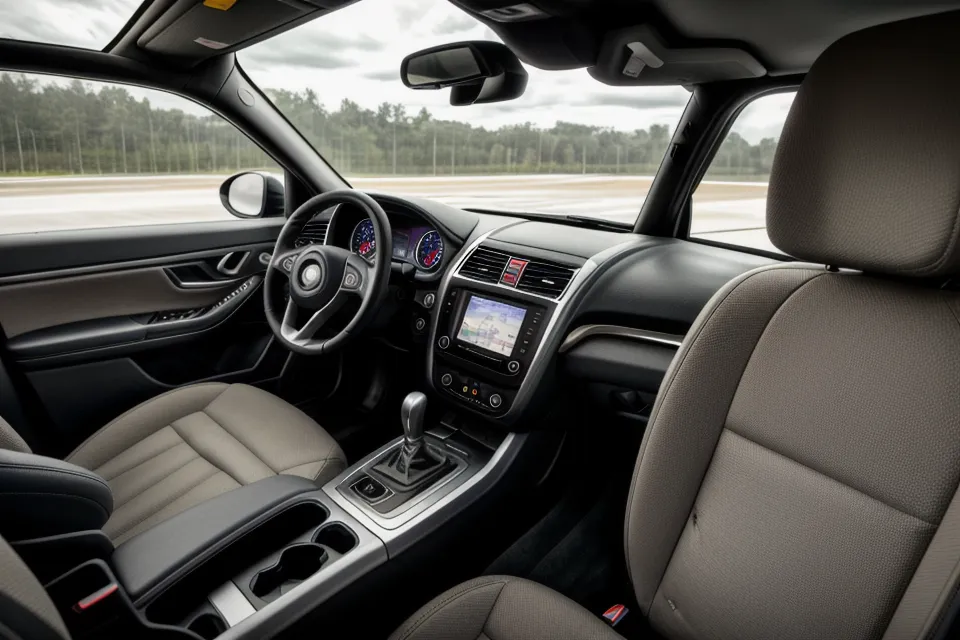
The SUV waiting at the curb, though, was a trim below what the confirmation promised — cloth seats instead of the upgraded interior, a shallower cargo area than the listing photo suggested. We'd booked it through Discover Cars, which had pulled the reservation from a local off-airport partner still holding inventory after the on-airport counters were picked clean by the spring-break rush. The rate came in close to a tank of gas cheaper than the on-airport quote. It still swallowed four duffels and a cooler, barely, but that's the kind of mismatch worth catching before anyone signs, not after the trunk is already packed. Walk the car first. Match the trim badge to the confirmation, count the keys, note the fuel gauge, and do it before a young driver's name goes on the contract, because that's exactly the detail an agent remembers if a dispute comes up later.

Before keeping notes on every booking became a habit, one trip started with walking up to a counter without a reservation at all, betting a same-day walk-up rate would beat whatever the apps were quoting. It didn't. By the time the agent finished running numbers, the SUVs with real cargo room were gone, and four people's gear ended up wedged into something built for two golf bags. That trip is the whole reason a reservation — even a fully refundable one — goes in before anything else now, young driver on the booking or not.
Where Aggregators Beat the Counter, and Where They Don't
For tight-schedule trips, AirportRentalCars earns a spot in the rotation, filtering specifically for on-airport pickup when a shuttle ride is the last thing anyone wants after an early flight. That convenience carries its own tax, though, and its under-25 fee disclosure is sometimes buried deeper than it should be. Inventory matters more than price on a family trip booked close to departure, too — last-minute availability thins out fast during spring break and holiday weekends, and a brand that's sold out of mid-size SUVs will happily sell a sedan the surcharge math doesn't fix.
Trip.com becomes the backup when the usual names show sold out, and it turns up promo codes more often than the U.S.-first aggregators. It also illustrates the off-airport trade-off well: an off-airport partner can undercut the counter by a meaningful margin, but you're trading that gap for shuttle minutes nobody wants to spend with three tired kids and a cooler in the back. One PHX arrival turned into an Uber to an off-airport lot in Tempe because the promised shuttle never showed — fine solo, miserable with a family waiting on the curb. A few more things worth checking before any of this. A debit card on file can trigger extra scrutiny at the counter regardless of the driver's age. A full week usually prices out lower per day than four or five days booked piecemeal. And if your loop doesn't return to where it started, a one-way drop fee stacks directly on top of the age surcharge — that combination adds up faster than either one alone. Ours loops back to where it started, so we've never had to test it.
The Paperwork Tells You More Than the Screen Does
A counter agent still runs the standard collision damage waiver pitch no matter which aggregator got the reservation, and a young driver on the booking tends to make that pitch a little more insistent. I still remember pulling up an old confirmation from a DFW trip months after the fact and reading the line items twice, because the toll transponder charge simply wasn't there — not even a zero, just absent — which told me more about how these receipts get assembled than any comparison chart could. Look, a missing line item isn't automatically good news. Sometimes it means a waiver applied correctly. Sometimes it means the counter forgot to charge something they'll add back later. Third-party coverage is worth asking about as a cheaper alternative to the counter's own waiver, though it's worth confirming it still applies with a driver under 25 on the paperwork before waving off the pitch entirely. Read every line before anyone signs, especially the ones that are supposed to be there and aren't.
Before You Book the Next Family Loop
Skip the daily rate as the first number to check. Start with the age bracket, confirm whether a waiver applies, and only then compare what an aggregator quotes against what the brand wants direct — Discover Cars is still where that comparison starts for a family trip, mostly because it shows the under-25 fee up front instead of making you hunt for it. The headline price is a lie if it leaves out the surcharge and the local taxes, and no trunk size or SUV trim makes up for that gap once you're standing at a laminate counter working out the real total with three kids waiting by the door.